

Chile cherry express shipments under strike threat; three Middle Eastern ports facing anchorage delays of nearly nine days; Maersk hit by cyber intrusion; upgraded China‑Peru FTA tariff benefits now available. Read on for key logistics and trade headlines for today.
Good morning to all trade and logistics partners. Welcome to this edition of the Chenkun Daily Briefing. Today’s top stories cover an ongoing Chilean trucker strike that threatens cherry export sailings, crippling congestion at three major Middle Eastern ports that has doubled transit lead times. We also break down new origin rules under the updated China‑Peru free trade agreement, alongside recently rolled‑out compliance rules for processing trade ledgers.
Shipping & Port Risk Updates
1. Chilean trucker strike disrupts two key ports, endangering cherry express schedules
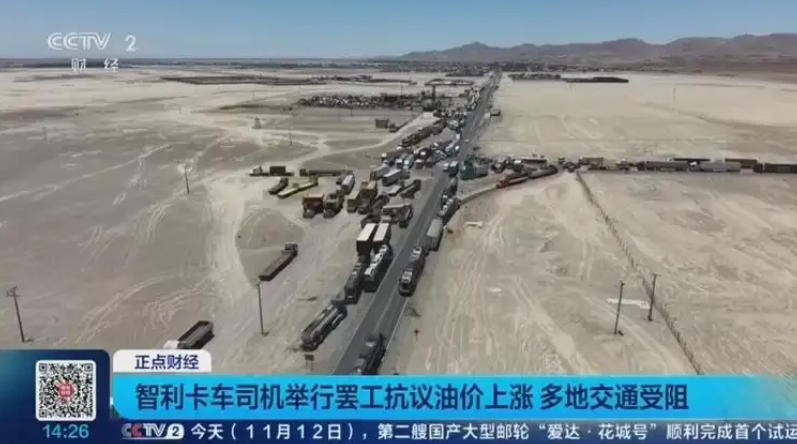
The Chilean trucking coalition Fuerza Norte launched industrial action on November 10, disrupting overland transport serving Valparaíso and San Antonio ports. Two dedicated Cherry Express vessels, scheduled to depart for Nansha (China) and Hong Kong on November 12 and November 14, are now at risk of missing their confirmed departure windows.
The Chilean Fruit Exporters Association has urged authorities to open negotiations with striking workers, noting that fresh cherries cannot withstand extended hold‑ups without major quality losses.
2. Heavy congestion at three Middle Eastern ports pushes transit times to 12–15 days
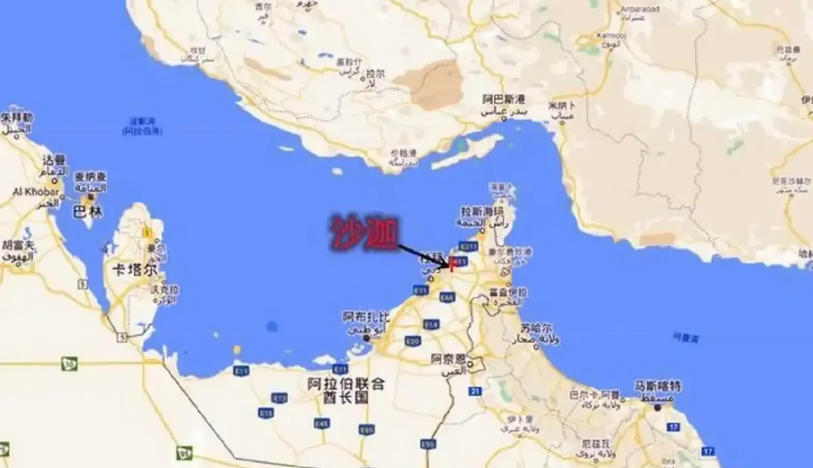
Latest operational data from Kuehne+Nagel shows sustained, severe delays at Khor Fakkan, Fujairah and Sharjah. Vessels calling at Khor Fakkan and Fujairah wait an average of 7 to 9 days for a berth. Cargo transhipping from these two hubs to Jebel Ali, Sharjah and Abu Dhabi now takes 12 to 15 days, up from the usual 5‑day turnaround.
Several ocean carriers have reduced allocated space on affected routes. Shippers are advised to double‑check confirmed discharge ports, expected berth windows and free storage terms immediately to avoid unexpected detention charges.
3. Maersk confirms cybersecurity incident following reported data theft claims
Hacking group WhiteArmor has claimed it accessed Maersk systems using publicly listed administrator credentials and exfiltrated roughly 100 GB of internal data. Maersk pushed back on claims that plaintext passwords were exposed, clarifying the compromised records were expired temporary access tokens.
Separately, Maersk acknowledged a security breach at LF Logistics, its Hong Kong‑based logistics subsidiary, linked to legacy IT systems. The incident highlights the growing cyber risks facing global carriers as they continue digitising end‑to‑end supply chain workflows.
4. Panama Canal transit capacity improves amid higher water levels
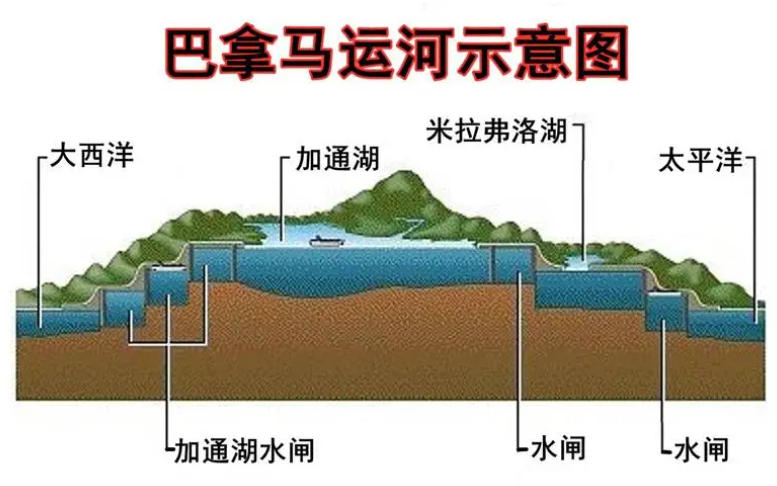
Thanks to improved reservoir levels, the Panama Canal has raised daily booking slots to 34 transits. The maximum authorised draft for Neopanamax locks has been lifted to 15.24 metres. This adjustment will deliver better cost and schedule reliability for cargo including Peruvian blueberries and Chilean cherries moving to the US East Coast and European markets.
Customs Rules & Trade Preference Benefits
1. Upgraded China‑Peru FTA in force from Nov 1: self‑service origin certificate printing available
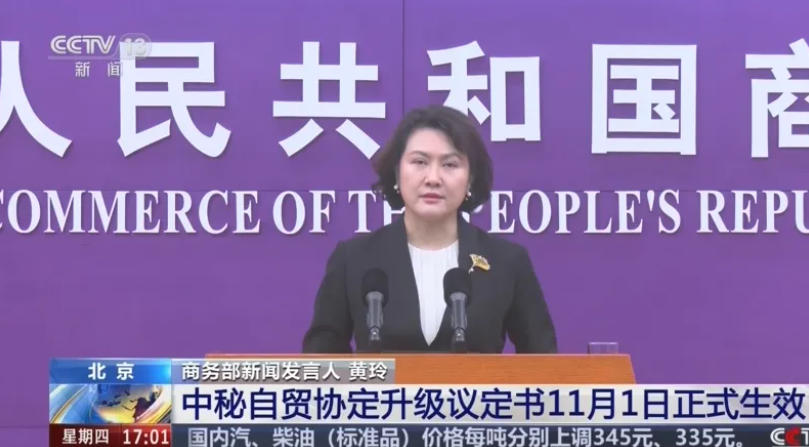
The Protocol Amending the Free Trade Agreement between China and Peru officially took effect on November 1. The updated text revises de minimis processing standards, expanding the list of acceptable minor processing activities from four to thirteen. It also refreshes the certificate of origin template: twenty product restrictions have been removed, continuation sheets are added, and traders may now print origin certificates directly via self‑service channels.
Chenkun note: Importers bringing Peruvian goods such as blueberries, table grapes and fishmeal into China can leverage these updated provisions to claim preferential tariffs. Our in‑house customs compliance team supports clients with origin rule guidance and expedited clearance.
2. Processing trade ledger management guide for off‑bond enterprises

Chinese customs are rolling out unified ledger management for processing trade. The maximum verification cycle is 12 months, and companies must complete filing for verification within 30 days once a cycle closes.
Any bonded imports falling into four regulated categories — tariff‑rate quota goods, trade remedy items, goods subject to additional tariffs and similar controlled commodities — require a dedicated separate ledger. These restricted goods cannot be transferred into standard general bonded ledgers.
3. Guide for importing dates into China
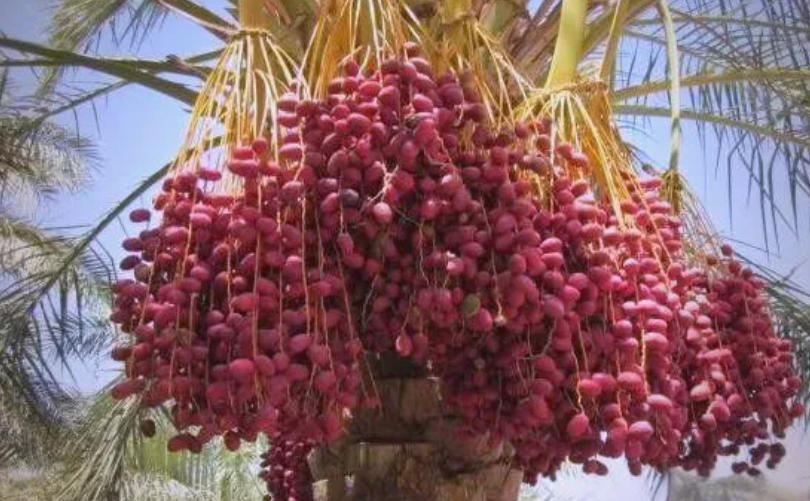
HS code: 0804100000 MFN tariff rate: 15%; VAT: 9%
Overseas production facilities must obtain registration with Chinese customs. Dates fall under Class 18 food registration, which requires official nomination for registration. Chinese importers also need valid food import filing.
Standard document checklist: certificate of origin, phytosanitary certificate, compliant Chinese label, sales contract, commercial invoice, packing list and bill of lading.
Fresh Produce & Seafood Market Trends
1. Philippine durian secures RMB 180 million export deals bound for China
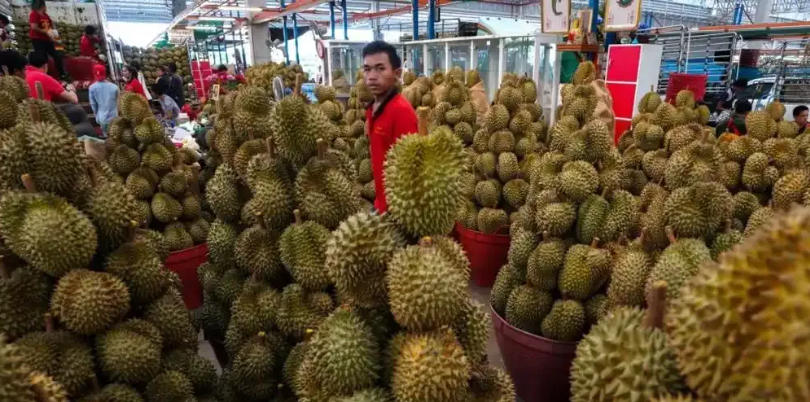
Two Davao‑based exporters, Encheng Food and Meilong Enterprise, have signed purchase contracts with Chinese buyers worth USD 17 million and USD 10 million respectively, totalling around RMB 180 million. The agreements are expected to drive new investment in the Philippine durian sector and accelerate cold‑chain infrastructure buildout.
2. Domestic blueberry prices drop sharply; Yunnan planting area triples across four years

Yunnan blueberry prices have fallen nearly 50% year over year. Grade L25 now trades at roughly RMB 50 per kilogram. Between 2021 and 2025, planted blueberry acreage in Yunnan expanded from 6,700 hectares to 20,000 hectares, while output jumped from 45,000 tonnes to 349,000 tonnes.
Protected farming enables year‑round off‑season supply, but rapid capacity expansion has erased the high premium pricing that defined the early phase of the domestic blueberry boom.
3. North Atlantic coldwater shrimp landings hit an eight‑year low
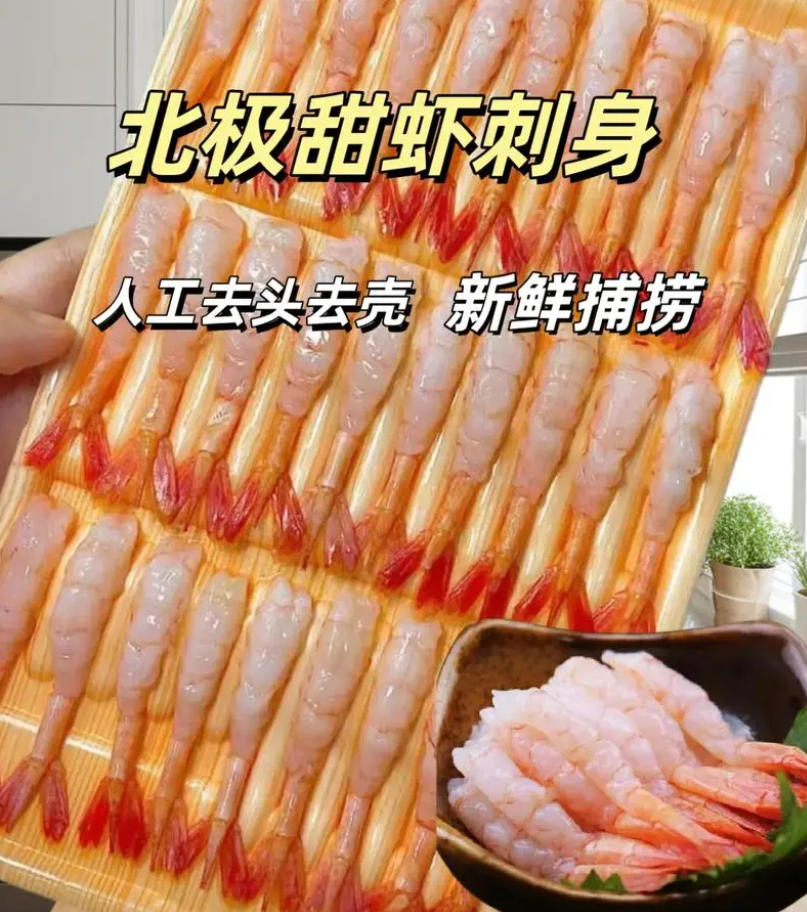
Global 2026 landings are projected to sit just above 236,000 tonnes, the lowest volume recorded since 2017. Rising cod stocks and increased predation pressure are reshaping the fishery ecosystem. Industry analysts expect annual landings may settle near the 200,000‑tonne mark over the long term.
4. Japan and South Korea fail to reach agreement on new bluefin tuna quota allocation
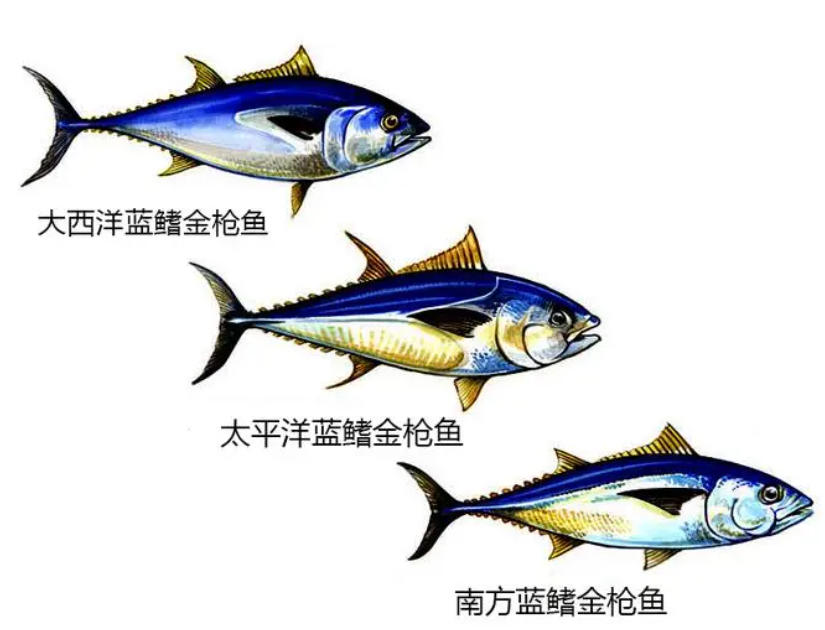
The 2027 catch limit for large Western and Central Pacific bluefin tuna will rise by 25% to 14,836 tonnes. However, Japan and South Korea have not come to terms on how to split the additional quota volume. If no deal is reached at the WCPFC annual meeting on November 30, existing quota arrangements will likely be extended.
Overseas Retail & Consumer Outlook
1. US grocery inflation climbs to 2.7%; price hikes top consumer concerns for 42% of shoppers
US food CPI rose 2.7% year over year in October, marking two consecutive months of accelerating inflation. Gen Z and lower‑income households feel the squeeze most acutely. End buyers remain highly price sensitive, leaving limited room for price increases on imported fruit and vegetables. Retail buyers tend to prioritise stable, consistent specifications paired with competitive baseline pricing over premium niche varieties.
2. Amazon Black Friday and Cyber Monday lean heavily on AI product matching; 60% of sales from third‑party sellers
Personalisation sits at the centre of Amazon’s holiday strategy this season. Its AI shopping assistant is evolving beyond basic search functions to support guided and assisted purchasing.
For fresh food and FMCG brands, winning holiday discoverability no longer relies only on paid ad placements. Algorithm recommendation feeds have become a critical traffic channel. Clean, structured product data covering specifications, nutrition details and origin information directly impacts how often an item surfaces in AI‑driven recommendations.
Chenkun Supply Chain – your trusted partner for end‑to‑end global logistics From sudden labour disruptions in Chile and persistent port bottlenecks across the Middle East, to new tariff opportunities under the China‑Peru FTA, supply chains keep shifting fast. Chenkun delivers sharp market intelligence and reliable customs execution to keep your cargo moving.
Reach out to our team to request the China‑Peru FTA origin operation guide and the latest Middle Eastern port sailing schedule.
We deliver maximum value for clients through practical, tailored logistics solutions. Follow us to stay updated with timely supply chain and trade news.
Content compiled by Chenkun. Reproduction permitted with clear attribution to the source. Contact us promptly for any copyright‑related enquiries.
Chenkun Logistics & Supply Chain Management Vietnam Tel: +84 918 888 4049