Good morning to all foreign trade and logistics professionals. Welcome to today’s Chenkun Daily Briefing. Our top focus covers cascading disruptions stemming from restricted vessel movement through the Strait of Hormuz, alongside fresh congestion threats building at European ports now that the Suez Canal route has resumed normal sailings. Seafood markets across Russia, Argentina and Ecuador are seeing diverging price trends, while China’s Customs Single Window platform has rolled out practical new functions for trading firms.
Shipping Alerts & Freight Rate Movements
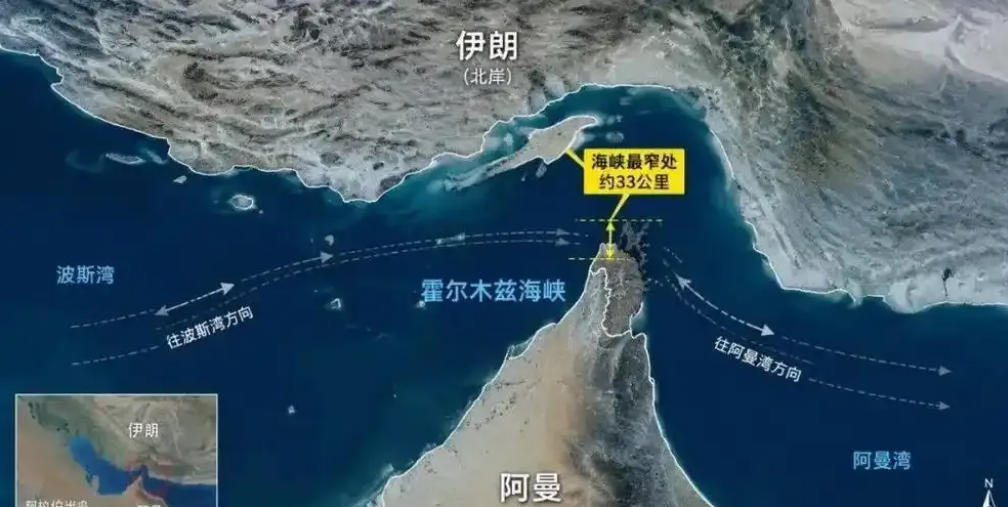
- Strait of Hormuz disruption pushes China-Dubai container rates to USD 12,000 Ongoing constraints on transit through the Strait of Hormuz have triggered a steep drop in container volumes at Jebel Ali Port in Dubai, where Q2 throughput tumbled 90.1%. DP World has mobilised a fleet of 3,000 trucks to reroute cargo overland as an emergency workaround. Container freight rates from China to Dubai have surged from the baseline of roughly USD 2,000 to a range between USD 10,000 and USD 12,000, marking a five- to six-fold increase. Industry analysts expect port throughput and vessel flow will take one to three months to stabilise fully once the strait reopens for unimpeded shipping.
- Suez Canal resumption raises congestion pressure across European ports Evergreen, Emirates Shipping Line and other carriers have restarted direct services via the Red Sea. Even so, logistics forecasters warn inbound capacity arriving at European ports in week 47 will hit 131% of regular baseline volumes. Congestion is already visible at Jeddah Islamic Port, where landside delays post-discharge stretch 10 to 12 days. While this restored route cuts transit times by seven to ten days compared with alternative sailings, limited terminal handling capacity has emerged as the primary bottleneck for shippers.
- Freight index and vessel schedule reliability Drewry’s World Container Index edged down 1% week on week to USD 4,389 per FEU, with scheduled blank sailings projected at 6% over the next five weeks. Global liner schedule reliability has slipped to around 50.6%, hitting a near four-year low. Capacity unlocked by Red Sea service resumptions is being absorbed by bottlenecks at Asian terminals, with an estimated 8.5% of active capacity effectively tied up in port queues. On core east-west trades, planned rate hikes for Europe-bound lanes failed to materialise; Maersk’s Shanghai-Rotterdam spot booking price has fallen to USD 3,000 per FEU. Meanwhile, US import volumes for November are forecast to fall 11% month on month.
Seafood & Agricultural Market Trends

- Far East Russian fisheries: large gaps between allocated quotas and real catches For sardines and saury, Russian authorities set the proposed 2027 sardine catch limit at nearly 500,000 tonnes, yet actual landings this year reached only 3,180 tonnes, as fish stocks have moved outside the exclusive economic zone. The recommended saury quota stands at 42,000 tonnes, against just 358 tonnes caught to date. By contrast, herring landings hit 612,000 tonnes, breaking a record set back in 1969. China imports of Russian herring from January to September reached 229,000 tonnes, an increase of 19% year over year. Frozen Alaska pollock shipments to China over the first nine months topped 540,000 tonnes, surpassing the full-year 2025 total. Long-term stock assessments, however, point to a downward trend, with a sharp production decline possible by 2035.
- Squid market divergence: Argentine stocks firm higher while Peru holds steady Illex squid out of Argentina is seeing upward pressure, as suppliers have little available stock to fulfil orders, and the new fishing season will not kick off until January 2027. The 200–300 gram size bracket has risen by 150 RMB per tonne week on week. Peru’s jumbo flying squid prices remain flat. Inventory levels at Zhoushan have climbed above 400,000 tonnes, capping any major upward price movement for the commodity.
- Additional seafood and fresh produce updates Ecuadorian shrimp producer AquaGold is on track to top USD 300 million in annual revenue this year, expanding its customer base across North America, Europe and Asian markets. Atlantic cod prices have fallen to a one-year low near USD 10,000 per tonne, with haddock facing even weaker market sentiment. Chinese buyers are holding back on new placements amid uncertain pricing. Winter strawberries have come to market earlier thanks to favourable growing weather. Prices for the first harvest are 3 to 5 RMB per jin lower than last season. Further price falls are expected once bulk supplies arrive in mid-to-late November.
Customs Policy Updates & New Single Window Tools
- Pre-declaration one-click pre-check (pilot launch) Starting November 10, the one-click pre-verification function for customs declarations entered pilot operation at Nanjing and Shenzhen customs districts. Traders can validate declaration data before formal submission and select multiple entries in batches for pre-inspection, helping cut rejection rates significantly.
- Auto-stamped customs declaration printouts (pilot launch) A second pilot rolled out November 11 across Qingdao and Hangzhou customs zones. Companies upload their official customs seal image on the Single Window platform, and printed documents including verification slips, inspection notices and release forms will carry the seal automatically. This removes manual stamping, document scanning and repetitive admin work.
- Updated quarantine rules for imported fruits (effective November 1) The revisions add provisions anchored in China’s Biosecurity Law. Fruit transshipped via Hong Kong and Macao must arrive in the original cartons, with intact packaging and the original phytosanitary certificate intact. Imported fruit cannot be moved, sold or distributed before completing full quarantine clearance.
- 2026 customs broker competency assessment registration Registration opens at 10:00 on November 16 and closes at 17:00 on November 20. Digital computer-based testing is restricted to advanced certified AEO enterprises, while paper tests run across a limited set of 11 designated customs locations. Xiamen hosts one electronic test venue with 400 available seats.
Port News & Macro Foreign Trade Figures
- Port operational highlights Qingdao Port welcomed the maiden call of Maersk’s PH1 Southeast Asia service. The terminal now hosts 50 dedicated Southeast Asia liner routes, retaining its position as the leading northern Chinese port for Southeast Asian container connections. Jining Longgong Port has brought its digital twin scheduling centre online, deploying 16 autonomous container trucks to streamline inland river operations. Throughput for the first three quarters rose 18.6% year on year. Qinzhou Automated Terminal under Beibu Gulf Port has deployed the Zhigang Shield large safety model to strengthen on-site risk management.
- China bilateral trade data for the first ten months of the year Total trade with Belt and Road partner nations reached 22.88 trillion RMB, up 18.5% year over year. RCEP bloc trade hit 14.52 trillion RMB, a 28.1% year-on-year gain. Trade with ASEAN totalled 7.68 trillion RMB, climbing 24.2% year over year. China-US bilateral trade stood at 3.59 trillion RMB, rising 6.3% year on year, with a trade surplus of 1.83 trillion RMB.
Chenkun Supply Chain – your trusted partner for end-to-end global logistics. From sudden Middle East transit disruptions and mounting European port backlogs to volatile seafood pricing and evolving customs digital workflows, Chenkun delivers sharp market insight and reliable brokerage support to keep your supply chain moving.